Why is the Chicago River so gross?
The Chicago River looks green-brown and murky for real reasons: a 1900 engineering reversal, combined sewers, and algae. Here is what is actually in the water, and why cruises run on it anyway.
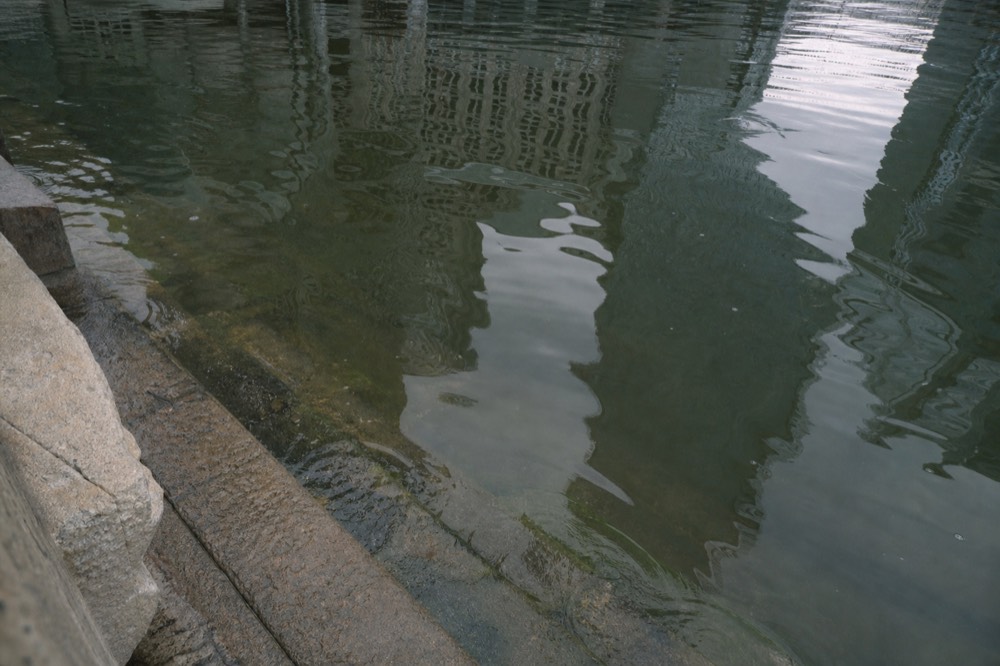
The Chicago River was reversed. On January 2, 1900, the city opened the Chicago Sanitary and Ship Canal, a 28-mile channel that used gravity to pull the river's flow backward, away from Lake Michigan and toward the Des Plaines River and the Mississippi basin. Before that, the river dumped sewage directly into the lake, which was also the city's drinking water, and typhoid and cholera outbreaks followed. The reversal fixed the drinking-water crisis. It also left behind a slow, engineered, oddly colored urban channel that a lot of visitors still describe with one blunt word: gross.
If you have stood on the DuSable Bridge and looked down at greenish-brown water with a faint smell, your eyes and nose are not lying to you. But the story is more interesting than "dirty river," and it explains why the water looks the way it does, why it sometimes smells, and why the same river hosts some of the best-reviewed boat tours in the country.
Why is the Chicago River so gross?
The river looks and smells bad because it is a slow, human-engineered channel that still receives combined sewer overflows during heavy rain, carries runoff from a huge paved watershed, and grows algae steadily in warm months. Its murky green-brown color comes from suspended sediment, algae, and tannins rather than constant raw sewage.
That is the short version. The longer version starts with what the river actually is.
The pre-1900 Chicago River was a sluggish marsh outlet that barely moved. When the city reversed it, engineers did not create a rushing mountain stream; they created a controlled drainage canal system where water moves slowly enough for boats to navigate it in both directions. Slow water drops its sediment. Slow water warms up in summer. Warm, slow, nutrient-rich water is exactly what algae wants, and algae is a big part of that pea-soup look you notice from the bridge.
Then there is the sewer story. Chicago, like hundreds of older US cities, has a combined sewer system, meaning stormwater and sewage share the same pipes. In normal conditions everything flows to treatment plants. During heavy rain, the system can be overwhelmed, and excess flow, a mix of stormwater and untreated sewage, is released into the river to keep it out of streets and basements. This is called a combined sewer overflow, and it is the single biggest reason the river's water quality swings wildly from day to day. After a big storm, the river is genuinely dirtier. On a dry week, it is far cleaner than its reputation suggests.
The color also gets help from tannins, the same natural compounds that make tea brown, which leach out of decaying plant matter in the watershed. And every year on St. Patrick's Day, of course, a stretch of the river is dyed a vivid artificial green, which has nothing to do with water quality and everything to do with tradition. If you want the full story of that, our guide to the St. Patrick's Day river cruise covers what the dye is and how to see it from the water.
None of this makes the river unsafe to ride. Cruise boats do not swim in the river, they float on top of it, and the health concerns around the water are about swimming, jet skiing, and paddling, especially after rain, not about sightseeing. The architecture cruise that passes right through the main branch, the Shoreline skip-the-line tour, runs thousands of trips a season on this exact water, and its top ratings and enormous review counts suggest the murky color does not ruin anyone's day.
The reversal itself is a big reason cruising here is possible at all. The river's flow was reversed in 1900 with the opening of the Chicago Sanitary and Ship Canal on January 2 of that year, diverting sewage and wastewater away from Lake Michigan, Chicago's drinking-water source, to address public health crises including typhoid and cholera. The project was overseen by the Sanitary District of Chicago, established in 1889, which built a 28-mile canal connecting the river to the Des Plaines River so gravity carried the flow toward the Mississippi River basin instead of the lake. The reversal and the resulting lock system, including the Chicago River Controlling Works, maintain navigable depths and control flow between the river and Lake Michigan, which is what makes today's tour boat routes possible.
That engineered channel also became the stage for one of the city's signature experiences. The Chicago Architecture Center, formerly the Chicago Architecture Foundation, has run its docent-led river cruise since 1983, and tours are narrated by CAC-trained volunteer docents rather than standard crew commentary, a format that distinguishes this cruise from most other Chicago boat tours. The cruise covers more than 50 buildings along the river and runs about 90 minutes. It has been named the #1 boat tour in the US by USA Today, has won Chicago Reader's Best Tour for more than 10 years running, and is TripAdvisor's top-rated Chicago boat tour. The boats are operated by Chicago's First Lady Cruises, a fourth-generation, family-owned company founded in the 1930s by Portuguese immigrant Arthur Agra as speedboat rides at Navy Pier, which became the official operating partner for the CAC architecture cruise in 1993 and is a sister company to Mercury Cruises.
Is the Chicago River actually polluted or just ugly?
The river is heavily polluted by natural-water standards but not by big-city urban waterway standards. It regularly fails swimming-level bacteria tests, especially after storms, yet it supports fish, birds, and a year-round ecosystem, and it is cleaner now than at any point since the reversal era.
Here is the nuance most first-page answers skip: "polluted" is a threshold question. Polluted for what?
| Use | Is the river OK for it? | Why |
|---|---|---|
| Boat tours and cruising | Yes, routinely | No contact with the water; all major operators run scheduled trips |
| Kayaking and paddling | Generally yes, with caveats | Avoid the day or two after heavy rain due to sewer overflows |
| Swimming | No, and it is illegal in most of the river | Bacteria levels and boat traffic; the river is not a designated swimming area |
| Fishing | Yes, with consumption advisories | Fish populations have rebounded; advisories vary by species |
| Drinking (for the city) | Not applicable | Chicago's drinking water comes from Lake Michigan, which the reversal protected |
The reversal is the reason that last row works. Before 1900 the river flowed into the lake, the lake was the water supply, and people were drinking diluted sewage. The Sanitary District of Chicago, established in 1889, built the canal specifically so gravity would carry waste toward the Mississippi basin instead. It was one of the largest civil engineering projects of its era and it worked, which is why the same river that looks unappetizing today was, in 1900 terms, a public health triumph.
The ecosystem evidence is real. The river now holds dozens of fish species, herons and cormorants hunt along the banks, and beavers and muskrats live in the channels. That does not happen in a dead waterway. What the river still struggles with is bacteria after storms, chloride from winter salt, and the chronic urban problem of too much paved surface sending everything from oil to dog waste straight into the water.
So the honest framing is: the Chicago River is a recovering urban waterway that looks worse than it is, and that occasionally is as bad as it looks, depending on the weather that week.
Why does the river look green?
The green-brown tint comes from three sources: suspended sediment in slow-moving water, algae blooms fed by warm temperatures and nutrients, and natural tannins from decaying plant matter. On St. Patrick's Day, the vivid green is vegetable-based dye dumped in on purpose.
The algae part is the most visible. In summer, the main branch warms up and the nutrients from runoff do their work, and the water takes on that classic murky green. It is the same process that turns farm ponds green, just with skyscrapers on both banks.
The brown comes from sediment. The river's flow is managed by locks and controlling works, including the Chicago River Controlling Works that regulate the connection to Lake Michigan, so the water is not flushing fast. Fine particles stay suspended, light gets scattered, and everything looks muddy even when the water is not carrying anything alarming.
And once a year, of course, the green is entirely artificial. The St. Patrick's dyeing started as a plumber's trick and became a civic institution, and it is one of the few times the river's color is exactly what it looks like. If you are curious whether the cruises still run that day, they do, and they are among the most popular departures of the year.
Can you get sick from the Chicago River?
You cannot get sick from simply riding a boat on the river. Health risks come from direct contact with the water, mainly swimming or submerging, and the risk rises sharply in the day or two after heavy rain when combined sewer overflows have released untreated flow.
The distinction between contact and non-contact recreation is the whole ballgame. Public health guidance for urban waterways like this one focuses on ingestion and skin contact with the water. A cruise boat puts you a few feet above the surface, under an open sky, with no plausible pathway for the water to reach your mouth. This is why the river can simultaneously be off-limits for swimming and host a million-plus passengers a year, Shoreline Sightseeing alone carries just over 1 million passengers annually on average, without any pattern of illness.
Kayakers follow a simple rule that is worth repeating for anyone: after a heavy rain, give the river a couple of days. The overflows dilute and move downstream, bacteria levels fall, and conditions return to their dry-weather baseline.
One more practical note: the water you see from a cruise boat is not the water the city drinks. Chicago's tap water comes from Lake Michigan, intakes miles offshore, protected by the very reversal that made the river look the way it does. The two systems are deliberately, permanently separated, and that separation is the entire legacy of the 1900 canal project.
Does the river smell?
The river has a noticeable earthy, sometimes sulfurous smell in summer, driven by algae and low-oxygen pockets, and it can smell much worse briefly after sewer overflows. On most days, from a boat, the smell is mild to nonexistent.
Smell reports are highly variable, and the variation is the tell. On a cool, dry day, the main branch through downtown smells like, honestly, not much: river water, diesel from boats, lake air. On a hot August afternoon, algae and organic matter decomposing in warm, slow water release compounds that read as "earthy" or "swampy" to the nose. After a storm, an overflow event can add a genuinely unpleasant few days.
The downtown main branch, which is where almost every architecture cruise spends its time, is also the most-flushed part of the system, since its water level and flow are managed at the lake connection. The smell complaints you read online tend to come from the South Branch and the barge channels, not the stretch between the lake and the confluence where the tours run.
Why do cruises run on a river like this?
Because the water quality has essentially nothing to do with the experience. The river's banks hold one of the densest collections of significant architecture in the world, the main branch is calm and navigable, and the cruise format is sightseeing, not swimming.
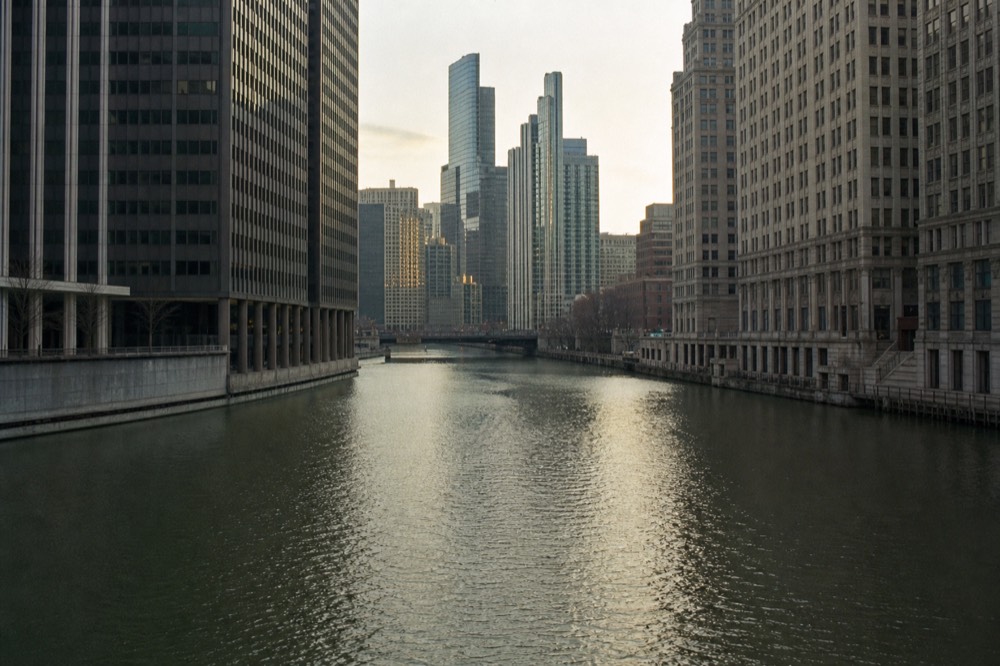
The Chicago Architecture Center has run its docent-led river cruise since 1983, in partnership with Chicago's First Lady Cruises, and that cruise covers more than 50 buildings in about 90 minutes. It has been named the #1 boat tour in the US by USA Today and has won Chicago Reader's Best Tour for more than a decade running. None of that would be possible if the water quality mattered to the product. What matters is that the river carves a perfect sightseeing path through the Loop, Wolf Point, and the Michigan Avenue canyon, with buildings on both sides close enough to read the stonework.
Wendella's own architecture cruise, the 1.5-hour guided route that has run since 1935, holds a 4.8 rating across 7,960 reviews today, proof that a century of engineered, occasionally murky water has not stopped the company from building one of the most-reviewed tours on the river.
Wendella, which dates to 1935 and claims Chicago's first architecture-focused river tour, and Shoreline, founded in 1939, built entire family businesses on this channel across four generations. Mercury traces its lineage to the same 1930s Navy Pier speedboat operations as First Lady. These companies have watched the river go from genuinely filthy to merely odd-looking, and their boarding docks at 112 E. Wacker Drive, 400 N. Michigan Avenue, and the Riverwalk near the Apple Store are all on the main branch, the cleanest, best-managed stretch.
There is also a timing wrinkle worth knowing. The Chicago Harbor Lock, which connects the river to Lake Michigan, closes from mid-November to mid-April each year, which limits any cruise route that includes the lake during that window. River-only routes keep running, Wendella operates year-round except Christmas Day, and the CAC/First Lady season runs March 15 through November 22 in 2026. If you want the full lake-and-river itinerary, plan for the warmer half of the year.
Is the river getting cleaner?
Yes, steadily. The reversal fixed the sewage-in-the-lake catastrophe, treatment upgrades and the Tunnel and Reservoir Plan have cut overflow volumes over decades, and fish and wildlife have returned to a channel that was once biologically near-dead.
The trajectory matters more than the snapshot. In the years after the reversal, the river was so oxygen-starved that fish could not survive in parts of it. Today it supports recreational fishing. That change came from treatment plant upgrades, the deep-tunnel reservoir system that stores storm overflow instead of dumping it, and the simple fact that a reversed, managed river gave engineers levers to pull.
It will never look like a mountain stream, and it does not need to. It is an engineered urban waterway doing an engineered urban job, and doing it better every decade. The same slowness that keeps the sediment suspended and the algae fed is what makes the river calm, wake-free, and ideal for a boat full of people staring up at the Wrigley Building, Tribune Tower, Marina City, and Willis Tower.
If the murky color is the one thing holding you back from booking, let it go. Pick a dry-weather week if you are sensitive to smell, bring sunglasses and a camera, and let the docents explain the river's strange biography while you float down the middle of it. If you would rather spend the ride over a meal than just narration, our dinner cruise guide covers that option, and our look at whether a river cruise is worth it covers the value question honestly. This site, Chicago River Cruises, exists because the river's story is worth telling from the water, murky green and all.
Common questions about the Chicago River's condition
The Chicago River is murky and occasionally smelly because it is a slow, engineered channel that absorbs storm overflows and summer algae, but it is safe to cruise, illegal to swim in, and steadily cleaner than it has been in a century. The details below cover the specific questions people ask most.
Why is the Chicago River so gross?
It is a slow, engineered channel that receives combined sewer overflows during heavy rain, urban runoff, and steady summer algae growth, all of which tint the water green-brown. Its murkiness is mostly sediment, algae, and tannins rather than constant raw sewage, and its condition varies a lot with the weather.
Is it safe to go on a boat on the Chicago River?
Yes. Health guidance concerns direct contact with the water, mainly swimming. Cruise passengers are seated above the surface with no contact, and operators collectively carry over a million passengers a year without issue.
Why is the Chicago River green?
Algae, suspended sediment, and natural tannins give it a green-brown tint most of the year. On St. Patrick's Day, the vivid green is a vegetable-based dye added deliberately, and it fades within a day or two.
Can you swim in the Chicago River?
No. It is not a designated swimming area, bacteria levels exceed swimming standards especially after storms, and boat traffic makes it dangerous regardless of water quality.
Does the Chicago River smell?
Sometimes. Summer algae gives it an earthy smell, and sewer overflows after heavy rain can make it unpleasant for a day or two. On most dry days, from a cruise boat, the smell is mild or unnoticeable.
Is Chicago's drinking water affected by the river?
No. Chicago's tap water comes from Lake Michigan intakes, and the 1900 river reversal was built precisely to keep river water out of the lake. The two are deliberately separated.
The river earned its reputation honestly, over more than a century of hard industrial use, and it is earning its rehabilitation the same way. Go see it from the water, where the color fades into the background and the skyline does the talking.